Taking Small Steps Toward Healing
The journey of grief recovery is often misunderstood. Many people believe recovery means leaving the past behind or forgetting the person they lost. In reality, grief recovery is about learning how to live with loss while creating space for healing, hope, and renewed purpose.
Loss changes us. Whether the loss involves a spouse, parent, child, friend, or another meaningful relationship, the emotional impact can feel overwhelming. Grief can affect every area of life, including physical health, emotional well-being, relationships, and daily routines.
Recovery does not happen overnight. Some days may feel manageable, while others may bring unexpected waves of sadness. This is a normal part of the healing process. Rather than trying to avoid grief, recovery encourages individuals to acknowledge their emotions and process them in healthy ways.
One important aspect of grief recovery is recognizing that there is no universal timeline. Every person experiences loss differently. Comparing your journey to someone else's can create unnecessary pressure and frustration. Instead, focus on honoring your own experiences and emotions.
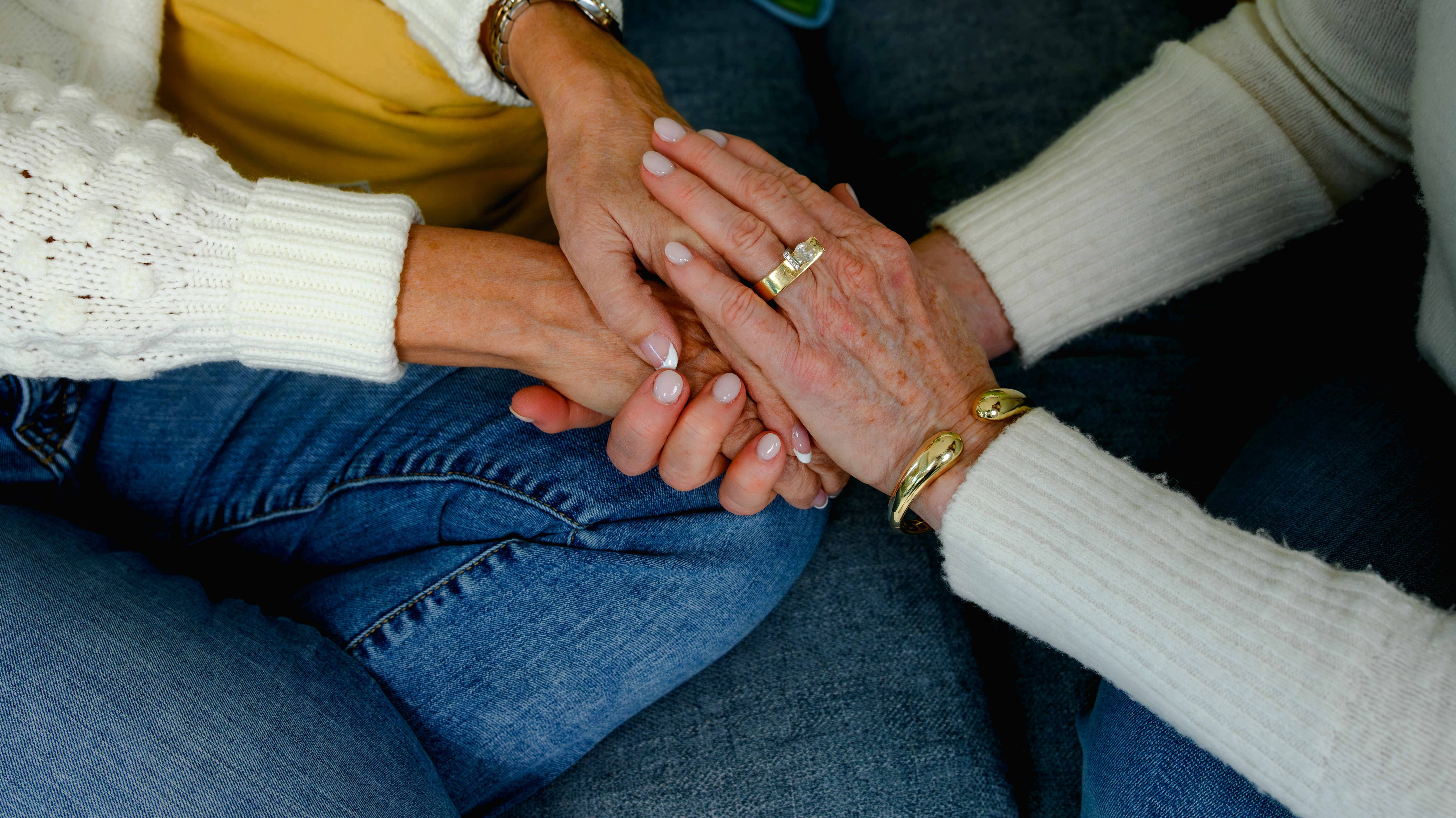
Support can make a tremendous difference. Talking with trusted friends, joining a support group, reading grief resources, or working with a grief coach can provide encouragement during difficult seasons. Many people find comfort in knowing they are not alone.
Recovery also involves rediscovering moments of joy without guilt. It is possible to laugh, pursue new interests, and build meaningful experiences while still honoring the memory of a loved one. Healing and remembrance can exist together.
Grief recovery is not about "getting over" a loss. It is about learning how to move forward with love, resilience, and hope. With patience and support, healing becomes possible, even after life's most difficult losses.
Looking forward,
Karen

Karen Jones, MBA
Grief Recovery Method Specialist® certified by the Grief Recovery Institute®